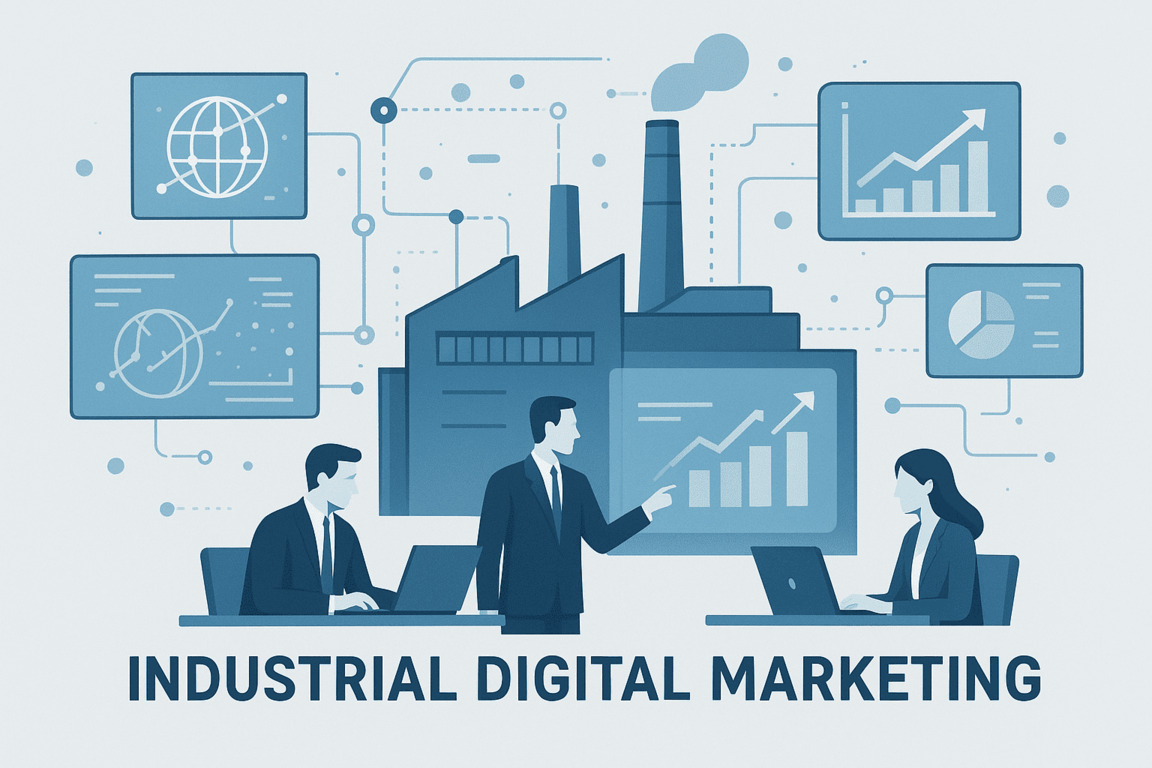
Digital marketing strategies for B2B companies focus on establishing connections and driving conversions. Understanding the unique characteristics of B2B marketing is essential to create effective campaigns that resonate with business audiences. This article explores various elements of a successful B2B digital marketing strategy, including buyer personas, content marketing, SEO, and social media tactics. Each section offers insights into practical applications and benefits of digital marketing in the B2B landscape.
For a deeper look at how industrial brands can implement these principles in real-world scenarios, explore our detailed guide on industrial digital marketing strategies for B2B success. This resource breaks down sector-specific tactics, highlights best practices for complex sales cycles, and provides actionable insights to help companies strengthen their competitive edge in highly technical markets.
Understanding B2B Marketing
A comprehensive understanding of B2B marketing lays the foundation for effective digital strategies that drive growth and engagement. This section delves into the core concepts and distinctions that shape B2B marketing practices.
Defining B2B Marketing
Business-to-Business (B2B) marketing refers to the strategies and tactics that companies employ to sell products or services to other businesses. Unlike consumer marketing, which targets individual customers, B2B marketing focuses on satisfying the needs of other companies. According to Salesforce’s overview of what B2B marketing is, this approach involves creating value-driven relationships and leveraging solutions that support long-term business growth. This sector typically includes longer sales cycles, complex decision-making processes, and personalized interactions.
At its core, B2B marketing revolves around building strong, trust-based relationships. Companies aim to establish credibility with their clients through tailored solutions and continuous support. Insights from Cognism’s guide on what B2B marketing entails highlight the importance of understanding multiple stakeholders and the extended buying journey characteristic of B2B environments. Given the intricate nature of these transactions, value and return on investment become central factors—reinforcing why relationship-building remains paramount in effective B2B marketing.
Differences Between B2B and B2C Marketing
The market dynamics between B2B and Business-to-Consumer (B2C) marketing reveal significant differences. Understanding these distinctions is crucial for creating relevant strategies. Key differences include:
- Target Audience: B2B marketing targets organizations, often focusing on specific departments or individuals, while B2C seeks to engage personal consumers.
- Decision-Making Process: B2B purchasing decisions typically involve multiple stakeholders and a lengthy evaluation period. In contrast, B2C purchases are often made quickly and based on impulse.
- Content Focus: B2B marketing emphasizes detailed and informative content, such as whitepapers and case studies, to support education and informed decision-making. B2C marketing, however, often relies on emotional appeals and storytelling.
- Relationship Building: B2B strategies are focused on cultivating long-term relationships and partnerships, while B2C interactions may be more transactional in nature.
Key Benefits of B2B Marketing
The effectiveness of B2B marketing lies in its ability to create substantial value for businesses. Some key benefits include:
- Higher Average Transaction Value: B2B transactions usually involve larger amounts, resulting in higher revenue per sale.
- Brand Loyalty: B2B relationships are often characterized by loyalty, leading to repeat business and referrals.
- Targeted Marketing: With a clearly defined audience, B2B marketers can create focused campaigns that address specific needs, enhancing the chances of conversion.
- Long-Term Relationships: Developing lasting connections can lead to continuous business opportunities and joint ventures.
- Opportunity for Customized Solutions: B2B interactions often allow for tailored products and services, providing greater satisfaction and success for clients.
Core Elements of B2B Digital Marketing Strategy
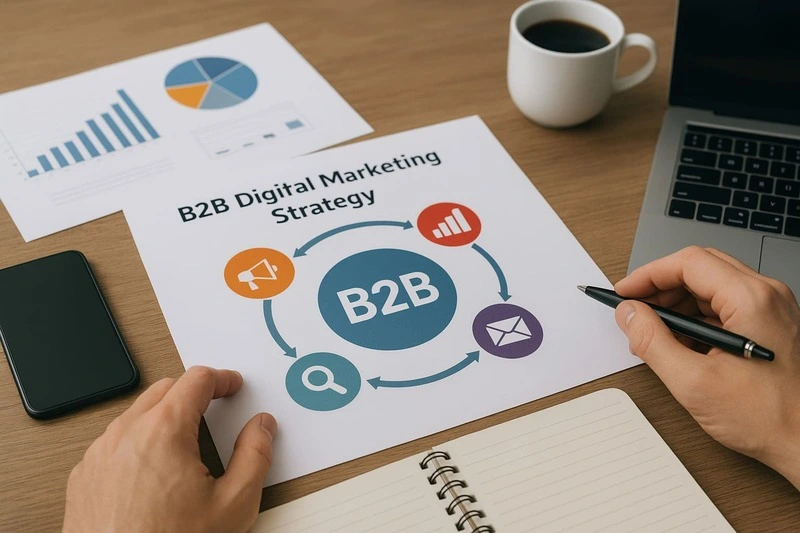
Establishing a robust B2B digital marketing strategy requires careful consideration of several core elements. These foundational aspects ensure that marketing efforts are well-targeted and effective in achieving business objectives.
When planning these foundational components, it’s also important for businesses to understand the investment involved in building an effective digital presence. Our comprehensive overview of digital marketing agency costs helps clarify typical pricing structures, service models, and the factors that influence overall budget decisions. This insight empowers B2B organizations to allocate resources strategically and maximize the impact of their marketing efforts.
Developing Buyer Personas for B2B
Understanding the target audience is critical in B2B marketing. Developing detailed buyer personas involves researching the characteristics, behaviors, and pain points of potential customers. This process entails gathering data from various sources such as interviews, surveys, and analytics.
Key attributes to consider when creating buyer personas include:
- Demographics: Age, gender, job title, and industry.
- Goals: What are the primary objectives or challenges they face?
- Buying Behavior: How do they prefer to research and purchase products or services?
- Decision-Making Process: Who else is involved in the purchasing decisions?
These personas serve as a framework to guide content creation, messaging, and channel selection, ensuring that marketing efforts resonate with the intended audience.
Setting Clear Marketing Goals and KPIs
Establishing specific, measurable, achievable, relevant, and time-bound (SMART) goals is vital for assessing marketing performance. Goals may include increasing website traffic, generating leads, or improving conversion rates. Accompanying these goals with key performance indicators (KPIs) enables businesses to measure success effectively.
Common KPIs to consider include:
- Website traffic and unique visitors.
- Lead generation numbers and quality.
- Conversion rates for different stages of the sales funnel.
- Engagement levels on content and social media platforms.
These metrics offer insight into the effectiveness of campaigns and allow for timely adjustments to strategies as needed.
Building a B2B Website That Converts
A well-designed B2B website is crucial for maximizing conversions. It should provide seamless navigation and a clear presentation of services and products. The website must be optimized for user experience, featuring responsive design, fast load times, and mobile compatibility.
Key elements of an effective B2B website include:
- Compelling calls-to-action (CTAs) that guide the user towards desired actions.
- High-quality content that addresses the needs and challenges of the target audience.
- Trust signals such as testimonials, case studies, and industry certifications.
- An easy-to-use contact form for inquiries and lead capture.
Implementing these features can significantly enhance a website’s ability to convert visitors into leads.
Utilizing CRM in B2B Marketing
Customer Relationship Management (CRM) systems play a pivotal role in B2B marketing by organizing customer data and streamlining communication. A well-integrated CRM allows businesses to track interactions with leads and clients, contributing to a more personalized experience.
Key benefits of CRM in B2B marketing include:
- Enhanced customer segmentation for targeted marketing approaches.
- Improved lead management, helping prioritize potential sales opportunities.
- Insightful analytics that inform marketing strategies and campaign effectiveness.
- Automation of repetitive tasks, freeing up time for marketing teams to focus on strategy and creative pursuits.
Leveraging CRM effectively can lead to more meaningful interactions and ultimately drive sales growth.
Content Marketing Strategies for B2B
Effective content marketing strategies are essential for B2B companies aiming to attract and retain clients. By focusing on creating and distributing valuable content, businesses can build trust and establish authority in their respective industries.
Creating Valuable Content for Your Target Audience
Creating content that resonates with the target audience is fundamental in B2B marketing. Understanding the audience’s pain points, challenges, and preferences allows marketers to develop tailored content that addresses their specific needs. This approach not only enhances engagement but also drives leads through the sales funnel.
High-quality content should inform, educate, and inspire action. Integrating industry insights and data-driven facts lends credibility to the content, while practical tips and actionable advice increase its value for the reader.
Content Types That Work Best for B2B Companies
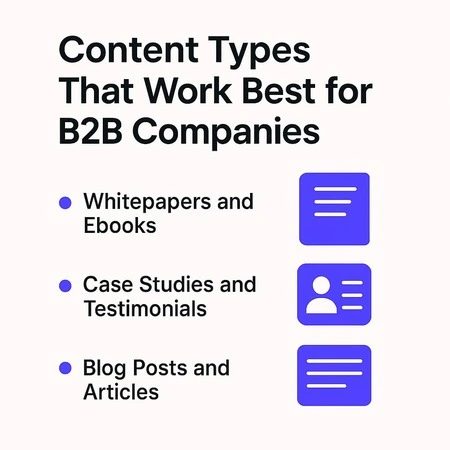
Choosing the right type of content is crucial for maximum impact. Several formats have proven effective in B2B marketing efforts.
Whitepapers and Ebooks
Whitepapers and ebooks are comprehensive resources that delve into specific topics relevant to the industry. These formats allow for in-depth analysis, making them ideal for nurturing leads. They can serve as gated content, requiring users to provide contact information for access, thus generating leads while offering significant insights.
Case Studies and Testimonials
Case studies and testimonials showcase real-world applications of products or services. They demonstrate results achieved by existing clients, which can significantly influence potential buyers. These pieces of content establish trust and credibility by presenting a proven track record of success.
Blog Posts and Articles
Regularly updated blog posts and articles keep the audience informed about industry trends, best practices, and company updates. These shorter content pieces can be easily shared on social media, increasing visibility. Moreover, they’re valuable for SEO, as consistent blogging helps drive organic traffic to the website.
Content Distribution Channels for B2B
Creating great content is only part of the equation. Effectively distributing that content ensures it reaches the intended audience. Various channels can be leveraged to maximize exposure.
- Social Media Platforms: Utilizing platforms like LinkedIn for professional networking can effectively engage B2B audiences. Content shared on these platforms has the potential for higher engagement rates from industry peers.
- Email Marketing: Targeted email campaigns enable direct communication with subscribers, ensuring relevant content reaches the right audience in their inboxes.
- Forums and Online Communities: Participating in industry-specific forums and online communities expands reach and fosters relationships. Sharing valuable insights can establish authority and attract interest in the business’s offerings.
- Webinars and Virtual Events: Hosting educational webinars allows for direct interaction with the audience, offering an opportunity to present valuable content while demonstrating expertise.
SEO and Search Engine Marketing for B2B
Search engine optimization (SEO) and search engine marketing (SEM) are crucial components for B2B companies looking to enhance their online presence. By utilizing effective techniques, businesses can improve their visibility and drive targeted traffic.
On-Page SEO Best Practices
On-page SEO focuses on optimizing individual web pages to rank higher and earn more relevant traffic in search engines. Key practices include:
- Keyword Research: Identifying the right keywords relevant to the business and integrating them naturally into content.
- Content Quality: Providing valuable, informative, and engaging content that addresses the needs of the target audience.
- Meta Tags: Crafting compelling title tags and meta descriptions that accurately reflect the page’s content and include relevant keywords.
- URL Structure: Implementing a clean and concise URL structure that is easy for both users and search engines to understand.
- Image Optimization: Using descriptive file names and alt tags for images to enhance accessibility and searchability.
Off-Page SEO and Link Building
Off-page SEO refers to actions taken outside of your own website to impact your rankings. This primarily involves link building, which can significantly improve domain authority. Important elements include:
- Quality Backlinks: Acquiring links from reputable websites within the industry enhances credibility and authority.
- Guest Blogging: Contributing content to external sites can drive traffic back to the B2B website, while also improving link profiles.
- Social Media Engagement: Sharing content across social platforms increases visibility and can lead to natural backlinks.
Fostering relationships with industry influencers can also yield valuable backlinks and enhance brand reputation.
Pay Per Click (PPC) Strategies for B2B
PPC advertising allows B2B companies to display ads on search engines and other platforms, driving immediate traffic. Effective strategies encompass several key areas:
Google Ads Campaigns
Creating targeted Google Ads campaigns involves selecting appropriate keywords, crafting engaging ad copy, and optimizing landing pages for conversions. B2B companies should focus on:
- Ad Targeting: Utilizing demographics, location, and interests to reach ideal clientele.
- A/B Testing: Experimenting with different ad formats and messaging to determine the most effective combination.
- Utilizing Extensions: Enhancing ads with additional information such as phone numbers, site links, and callouts to attract clicks.
Remarketing and Retargeting
Remarketing and retargeting help re-engage users who have previously interacted with the business website but did not convert. This can include:
- Display Ads: Showing ads across the web to users who have visited the site, serving as reminders of products or services.
- Email Remarketing: Sending targeted emails to users who have shown interest but may not have completed a purchase.
- Dynamic Remarketing: Displaying personalized ads based on the specific products or services users viewed on the website.
Social Media Marketing in B2B

Social media has become a vital element for B2B companies looking to enhance brand visibility and engage with their audience. This platform allows businesses to communicate directly with clients and prospects, building relationships that can lead to better conversions.
Choosing the Right Social Media Platforms
Selecting suitable social media platforms is crucial for B2B marketing success. The focus should be on where the target audience spends their time and which platforms are most aligned with business objectives. Popular platforms for B2B marketing include:
- LinkedIn: This platform is primarily geared towards professionals and businesses, making it ideal for B2B engagement.
- Twitter (X): Suitable for real-time communication and customer service interactions, Twitter (X) allows companies to connect with industry leaders and engage in conversations.
- Facebook: While often considered a B2C platform, Facebook can be useful for community building and brand storytelling in the B2B space.
Understanding the demographics and unique features of each platform helps businesses tailor their content and engagement strategies effectively.
Building Engagement Through Social Media
Engagement is the cornerstone of successful social media marketing. B2B companies need to create content that resonates with their audience and encourages interaction. Strategies to foster engagement include:
- Sharing Industry Insights: Providing valuable information about trends and insights can position a company as a thought leader.
- Hosting Webinars and Live Events: Utilizing social media to promote educational content helps build trust and fosters community interaction.
- Encouraging User-Generated Content: Inviting customers and clients to share their experiences can strengthen community ties and enhance brand credibility.
Engagement on social media not only helps in building relationships but also enhances brand loyalty over time.
Social Media Advertising for B2B
Paid advertising on social media can provide targeted reach and measurable results, making it a potent strategy for B2B businesses. Various methods include:
LinkedIn Ads and Targeting
LinkedIn offers robust targeting options that allow B2B marketers to reach specific professional demographics. Options such as targeting by industry, job title, and company size help in honing marketing efforts to those most likely to convert. Sponsored content, InMail, and display ads are popular formats within LinkedIn advertising.
Twitter and Facebook Campaigns
Twitter ads can amplify brand visibility through promoted tweets and account promotions, driving traffic to company websites or specific landing pages. Facebook allows B2B marketers to use custom audiences to re-engage leads and promote content to specific market segments. Ad formats such as carousel ads or video ads can effectively showcase products and services, leading to higher engagement rates.
Overall, utilizing social media effectively can enhance a B2B company’s marketing efforts, establishing a strong online presence and fostering long-term relationships with customers. By implementing targeted strategies, engaging content, and effective advertising, businesses can maximize their social media impact.
Email Marketing Tactics for B2B
Email marketing remains a powerful tool for B2B companies to engage prospects and nurture leads. Properly executed campaigns can lead to higher conversion rates, improved customer relationships, and increased sales opportunities.
Building and Segmenting Email Lists
The foundation of successful email marketing in a B2B context begins with a well-structured email list. Building a quality list involves gathering data from various touchpoints, including website sign-ups, industry events, and social media channels. Here are some important strategies:
- Leverage Lead Magnets: Offering resources such as eBooks, whitepapers, or webinars encourages potential clients to provide their contact information.
- Utilize Signup Forms: Place signup forms on high-traffic pages of the website to capture visitors’ information easily.
- Integrate with CRM: Use existing customer relationships to create targeted lists. Syncing email lists with a CRM platform can enhance segmentation.
Segmenting the email list is vital to ensure relevant content reaches the right audience. Factors to consider for segmentation include industry, job title, past engagement, and purchasing behavior. By targeting segments individually, companies can craft personalized messaging that resonates with specific groups.
Crafting Effective B2B Email Campaigns
An effective B2B email campaign requires more than just sending out bulk messages; personalization and value-based content are essential. Marketers should keep the following tips in mind:
- Subject Lines Matter: Craft engaging subject lines that grab attention and encourage opens. A/B testing different subject lines can determine what resonates best.
- Focus on Clear Messaging: The content should reflect the needs and interests of the target audience. Utilize a tone that is professional and approachable.
- Include a Strong Call to Action: Always guide the reader on what to do next. Whether it’s downloading a resource, scheduling a demo, or visiting a landing page, effective CTAs drive engagement.
Consistency is another critical aspect. Regularly scheduled newsletters or updates keep the audience informed and engaged over time, which fosters stronger relationships.
Marketing Automation and Drip Campaigns
Marketing automation facilitates efficient management of email marketing campaigns, streamlining various processes to save time and resources. B2B companies can benefit significantly from implementing automation.
- Drip Campaigns Work: Setting up drip campaigns allows businesses to send a series of pre-planned emails to nurture leads over time. These messages can be tailored based on the recipient’s behavior and stage in the buyer’s journey.
- Tracking Engagement: Automation tools provide metrics on how recipients interact with emails. Monitoring open rates, click-through rates, and conversions enables marketers to refine their strategy.
- Personalization at Scale: Automation facilitates the personalization of emails without manual effort. Using variables like the recipient’s name, company, or industry enhances the overall experience.
Integrating marketing automation into email marketing strategies offers valuable efficiencies and insights, allowing B2B companies to focus on developing high-quality content and crafting stellar campaigns that yield results.
Leveraging CRM and Marketing Software
Utilizing Customer Relationship Management (CRM) and marketing software is essential for enhancing B2B marketing strategies. These tools streamline processes, improve communication, and provide valuable insights that drive decision-making.
Integrating CRM With Marketing Efforts
To maximize the effectiveness of marketing initiatives, it is crucial to integrate CRM software with marketing strategies. This integration facilitates seamless communication between sales and marketing teams, ensuring that both departments are aligned in their goals and actions.
- Data Synchronization: Maintaining up-to-date customer data across platforms allows for more targeted marketing campaigns.
- Lead Scoring: By leveraging data from the CRM, marketers can prioritize leads based on behavior and preferences.
- Automated Workflows: Setting up automated tasks helps streamline processes, saving time and ensuring consistency.
Features to Maximize Lead Management
A comprehensive CRM system should encompass various features that streamline lead management, improve tracking, and enhance customer engagement. Key features include:
- Contact Management: A centralized database that stores critical information about leads, facilitating personalized communication.
- Pipeline Management: Visual representations of the sales pipeline help monitor leads throughout their journey, ensuring prompt follow-ups.
- Reporting and Analytics: In-depth analytics provide insights into lead behavior, helping refine marketing strategies and resource allocation.
Tracking and Analyzing Campaign Performance
Evaluating the effectiveness of marketing campaigns is vital for continuous improvement. Leveraging CRM capabilities allows businesses to track and analyze various marketing metrics effectively.
- Campaign Tracking: Monitoring response rates, conversions, and engagement levels helps assess the impact of specific campaigns.
- Customer Feedback: Gathering insights from customers can help refine marketing messages and improve product offerings.
- A/B Testing: Running A/B tests on different marketing messages enables businesses to determine which strategies resonate better with their audience.
Examples of Successful B2B Marketing Strategies
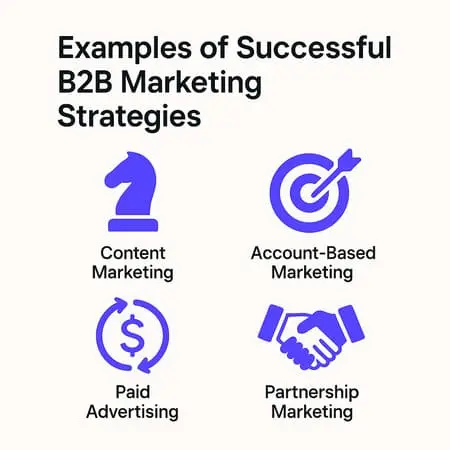
In the competitive landscape of B2B marketing, several companies have successfully implemented innovative strategies that have significantly boosted their growth and engagement.
Case Study: Content-Driven B2B Growth
One notable example of effective B2B content marketing is HubSpot, a leader in inbound marketing tools. HubSpot strategically focused on creating high-quality, informative content such as blogs, ebooks, and webinars tailored for its target audience. By developing valuable resources, they positioned themselves as thought leaders in their industry.
- Blog posts addressing common challenges faced by businesses.
- Ebooks providing in-depth insights into marketing strategies.
- Webinars allowing real-time interaction and feedback from prospective clients.
This comprehensive content strategy not only attracted traffic but also generated leads. Over time, HubSpot nurtured these leads through targeted email campaigns, significantly increasing conversion rates.
Case Study: Using PPC to Generate Leads
Another successful approach can be seen in the case of LinkedIn’s advertising model, particularly its sponsored content and pay-per-click (PPC) ads. By targeting professionals and decision-makers in various industries, businesses leveraging LinkedIn PPC campaigns have witnessed remarkable success in lead generation.
- Targeting specific job titles and industries to reach the right audience.
- Utilizing A/B testing to optimize ad performance and engagement rates.
- Adjusting bids and targeting options based on real-time results.
Companies like Adobe have invested heavily in these PPC strategies, resulting in a substantial increase in qualified leads and brand awareness within their sectors. The ability to measure performance through analytics also allows for ongoing adjustments to campaigns, maximizing ROI.
Case Study: Social Media to Connect With Customers
Engaging with customers through social media platforms has become a cornerstone of B2B marketing strategies. Salesforce provides a prime example of how organizations can successfully connect with their audience on platforms like Twitter and LinkedIn.
- Salesforce shares testimonials and success stories that resonate with their target demographic.
- Engaging content is regularly posted to foster dialogue and community around their brand.
- Strategic use of LinkedIn Ads to promote specific products and services.
Using social media advertising, Salesforce not only raises awareness but also encourages interactions that help build customer relationships. Their focused approach allows for targeted outreach, creating opportunities for meaningful discussions with prospective and existing clients.
Measuring and Improving B2B Marketing ROI
Measuring the effectiveness of B2B marketing efforts is critical for maximizing returns on investment. By focusing on relevant metrics and employing appropriate tools, businesses can evaluate and enhance their marketing strategies effectively.
Key Metrics to Track in Digital Marketing
Understanding the right metrics is essential for assessing B2B marketing performance. The following metrics offer valuable insights:
- Customer Acquisition Cost (CAC): This metric indicates how much a company spends to acquire a new customer. It is crucial for understanding the cost-effectiveness of marketing efforts.
- Lifetime Value (LTV): This measures the total revenue a business can expect from a single customer over their lifetime. LTV helps in determining how much should be invested in acquiring new customers.
- Conversion Rate: This tracks the percentage of leads that convert into paying customers. High conversion rates signify effective marketing strategies and sales processes.
- Lead-to-Customer Ratio: This metric assesses the number of leads needed to generate one customer, offering insights into the quality of leads from marketing activities.
- Return on Investment (ROI): Calculating ROI shows the financial return gained from marketing investments compared to the costs incurred. A positive ROI indicates successful marketing efforts.
Tools for Monitoring and Reporting
Employing the right tools enables businesses to monitor performance metrics and generate insightful reports. Effective tools include:
- Google Analytics: A powerful tool for tracking website traffic, user behavior, and conversion rates, providing insights into the effectiveness of online marketing strategies.
- Marketing Automation Platforms: Software such as HubSpot and Marketo offers comprehensive analytics for campaigns, enabling better lead management and nurturing processes.
- CRM Systems: Customer Relationship Management tools track interactions with clients, providing detailed analytics on sales performance and customer engagement.
- Social Media Analytics: Platforms like LinkedIn Analytics and Facebook Insights provide data on audience engagement, helping businesses to refine their social media marketing approaches.
Strategies for Continuous Improvement
Continuous improvement is key to achieving long-term B2B marketing success. Implementing the following strategies can enhance marketing effectiveness:
- Regularly Review and Analyze Data: Consistent analysis of marketing performance allows companies to adapt their strategies based on what is working and what is not.
- A/B Testing: Testing different variations of marketing campaigns can help identify the most effective messages, visuals, and offers to increase conversion rates.
- Solicit Customer Feedback: Gathering feedback from customers can provide insights into their needs and preferences, which can be used to refine marketing efforts.
- Stay Updated on Industry Trends: Keeping abreast of changes in the B2B marketing landscape allows companies to adjust their strategies and remain competitive.
- Invest in Training and Development: Continuous learning for marketing teams ensures they are equipped with the latest skills and knowledge to execute effective digital marketing strategies.
To ensure these strategies translate into measurable results, partnering with specialists can make all the difference. At Magdalena Media, we help B2B companies build data-driven, scalable, and conversion-focused digital marketing systems that generate real business outcomes. Whether you need stronger demand generation, better-qualified leads, or a more robust digital strategy, our team is ready to support your growth. Contact us today to discover how we can elevate your B2B marketing performance.