A digital marketing strategy is essential for professional services firms in today’s competitive landscape. It helps firms reach potential clients and enhance their visibility in a crowded market. This article outlines key elements of an effective digital marketing strategy tailored for professional services. Topics include setting clear business goals, understanding target audiences, and selecting the right marketing techniques.
For an in-depth industry perspective, firms can refer to Hinge Marketing’s research on digital strategies for professional services, which highlights the importance of differentiation, visibility and strategic positioning within competitive markets.
Defining Clear Business Goals for Your Professional Services Firm
Establishing well-defined business goals is crucial for a professional services firm. Clear objectives guide marketing efforts and help align various initiatives aimed at growth and development.
To support this process, firms can also benefit from partnering with specialized digital marketing providers. Resources such as Magdalena Media’s digital marketing services offer strategic guidance and execution support that help align business goals with effective online growth initiatives.
Setting Strategic Marketing Objectives
Strategic marketing objectives provide a roadmap for how a firm intends to grow its brand and increase its client base. These objectives should be Specific, Measurable, Achievable, Relevant, and Time-bound (SMART). Examples include:
Increasing brand awareness by 25% within a year.
Acquiring 50 new clients over six months.
Boosting website traffic by 40% in the next quarter.
To strengthen the process of defining clear objectives, professional services firms can leverage frameworks from Smart Insights, a global authority in digital strategy. Their methodology helps teams structure SMART goals and align digital efforts with measurable business outcomes.
Establishing such objectives ensures the firm has clear targets that can be systematically tracked and assessed.
Aligning Marketing Goals with Business Development
Marketing objectives must work in harmony with the overall business development strategy. The firm should ensure that marketing efforts support sales initiatives and address the needs of prospective clients. This alignment can involve:
Creating targeted campaigns that attract specific client segments.
Developing materials that highlight service offerings that meet customer demands.
Collaborating with the sales team to tailor marketing messages that resonate with potential clients.
This synergy enables the firm to create a cohesive approach to attracting and retaining clients.
Budgeting for Your Digital Marketing Plan
Effective budget allocation for digital marketing is essential for implementing the strategy. A well-structured budget allows for optimal utilization of resources while being mindful of operational costs. When budgeting, consider the following:
Allocating a percentage of annual revenue dedicated to marketing initiatives.
Identifying specific areas for investment, such as SEO, paid advertising, or content marketing.
Setting aside funds for tools and technologies that can enhance marketing effectiveness.
Monitoring expenditures against outcomes will facilitate adjustments, ensuring that the budget continuously serves the firm’s strategic goals.
Understanding Your Target Audience in Professional Services
Grasping the intricacies of the target audience is fundamental for firms operating in the professional services landscape. By comprehending client needs and preferences, firms can deliver tailored solutions that resonate effectively.
Research Methods to Identify Your Target Clients
Identifying target clients involves various research methodologies that unveil valuable insights into prospective customers. Surveys, focus groups, and interviews are effective tools for gathering qualitative and quantitative data. Utilizing analytics tools can reveal browsing behaviors and demographics, while social media listening provides real-time insights into client sentiments and preferences.
Segmenting Potential Clients for Effective Marketing
Once the target audience is identified, segmenting them into distinct categories can significantly enhance marketing efforts. Segmentation can be based on factors such as:
Industry: Different sectors may have unique requirements and pain points.
Company Size: Marketing strategies may vary between small businesses and large corporations.
Roles: Understanding the decision-makers versus influencers can refine targeting.
This strategic segmentation allows a firm to craft personalized messages that speak directly to each segment’s specific needs, thus increasing engagement and conversion rates.
The Role of Influencers and Referral Sources
Influencers and referral sources play a pivotal role in the decision-making process for potential clients. In the professional services sector, industry analysts, bloggers, and thought leaders can sway opinions and validate credibility. Cultivating relationships with these individuals can lead to endorsements that enhance a firm’s visibility and reputation. Additionally, establishing a strong referral network can provide a steady stream of potential clients, relying on trust that is often more persuasive than traditional marketing methods.
Attracting Talent as Part of Your Marketing Strategy
In today’s competitive environment, attracting top talent is not only crucial for delivering exceptional services but can also enhance marketing efforts. A strong employer brand appeals to quality professionals while simultaneously showcasing the company culture. Marketing efforts aiming to attract talent should highlight benefits such as career growth opportunities, innovative projects, and a supportive work environment. By doing so, firms can strengthen their overall market position as they build a robust team capable of fulfilling client needs efficiently.
Competitive Analysis and Positioning for Visibility
Understanding the competitive landscape is essential for professional services firms aiming to enhance their visibility in the market. Through careful analysis, firms can identify opportunities to differentiate themselves and position their services more effectively.
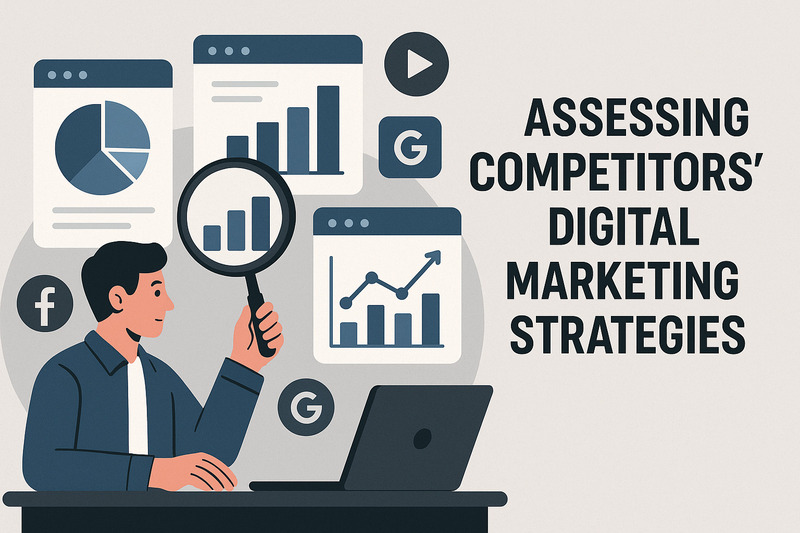
Assessing Competitors’ Digital Marketing Strategies
An in-depth examination of competitors’ approaches can provide valuable insights. This involves evaluating various elements such as:
Types of content they produce and share
Engagement levels on social media platforms
Search engine optimization practices and keyword strategies
Overall branding and messaging techniques
By identifying strengths and weaknesses in competitors’ strategies, firms can adapt their marketing efforts to capitalize on identified gaps, enhancing their own online presence significantly.
Finding Your Firm’s Unique Value Proposition
Your unique value proposition (UVP) sets your firm apart from others in a crowded market. To articulate a compelling UVP, consider the following:
Identify the specific needs of your target audience that your service addresses.
Highlight the unique strengths and expertise your firm offers compared to competitors.
Clarify the benefits clients receive when choosing your services over others.
A well-defined UVP is crucial for creating effective messaging that resonates with potential clients, contributing to stronger market positioning.
Using Research to Enhance Your Strategic Position
Research plays a pivotal role in refining your competitive strategy. This can take the form of:
Market analysis to track trends affecting your industry
Client feedback to understand preferences and satisfaction levels
Behavioral studies to anticipate future client needs and expectations
Utilizing data-driven insights enables firms to adjust their offerings and marketing tactics proactively, thereby ensuring a strategic position that remains relevant and appealing to clients.
Crafting a Strategic Marketing Plan for Your Services Firm
Creating a strategic marketing plan is essential for professional services firms seeking to establish a strong market presence. This involves a comprehensive approach that integrates various marketing elements to effectively communicate expertise and engage potential clients.
Integrating Offline and Online Approaches
In today’s digital-first world, it is crucial for firms to blend both offline and online marketing strategies. This integration can maximize outreach and enhance brand recognition.
Utilize traditional marketing channels such as print advertisements, networking events, and trade shows to foster personal connections.
Simultaneously, leverage digital tactics including social media, email campaigns, and search engine optimization (SEO) to expand reach.
Ensure that messaging is consistent across all platforms to reinforce brand identity and build trust with audiences.
Developing Key Messaging to Highlight Your Expertise
Effective messaging is central to any marketing plan. It should clearly convey the unique strengths and capabilities of the firm.
Articulate the value proposition succinctly, focusing on specific services and outcomes that differentiate the firm from competitors.
Use client testimonials and case studies to demonstrate real-world applications of expertise and successful results.
Prioritize messaging that addresses the clients’ pain points, showcasing how the firm can provide solutions tailored to their needs.
Building a Cohesive Brand Across Digital Channels
A consistent brand presence across all digital channels is vital for establishing credibility and enhancing client trust. This involves creating a unified look and feel that aligns with the firm’s identity.
Design a professional website that reflects the firm’s branding, providing a user-friendly experience and clear navigation.
Engage with clients on social media platforms that resonate with the target audience, ensuring that all content aligns with the firm’s brand voice.
Monitor brand mentions online and engage actively to foster relationships and respond to inquiries or feedback.
Selecting Effective Marketing Techniques for Your Professional Firm
Choosing the right marketing tools and techniques is vital for amplifying the reach and effectiveness of a professional services firm. This section delves into the essential approaches that can help maximize visibility and engagement.
For a practical, tactics-focused guide to SEO and digital marketing, check out Backlinko’s proven digital marketing tactics, which covers effective SEO approaches, content promotion, and traffic-growth strategies that top performers use.
For firms operating within industrial or B2B environments, adopting specialized digital tactics can significantly enhance visibility and lead generation. Insights such as those found in Magdalena Media’s guide to industrial digital marketing strategies for B2B success provide actionable frameworks that help companies improve outreach, streamline their marketing efforts, and strengthen their position within competitive markets.
Search Engine Optimization for Service Visibility
Search Engine Optimization (SEO) plays a critical role in improving a firm’s online presence. By properly optimizing a website, firms can increase their visibility on search engines, making it easier for potential clients to find their services. Key components of effective SEO include:
Keyword Research: Identifying relevant keywords that potential clients are using to search for services.
On-Page Optimization: Ensuring that title tags, meta descriptions, and content are optimized for targeted keywords.
Link Building: Developing a strong backlink profile through collaborations, guest blogging, and partnerships within the industry.
Technical SEO: Enhancing site speed, mobile-friendliness, and overall user experience to improve rankings.
Leveraging Social Media and Content Marketing
Utilizing social media platforms effectively can foster community engagement and brand awareness. Creating valuable content tailored to specific audiences can drive traffic and enhance client relationships. Key tactics include:
Regular Updates: Sharing industry insights, firm news, and engaging content to keep followers informed.
Content Calendars: Planning and scheduling posts to ensure consistent engagement and relevance.
Interactive Content: Employing polls, questions, and discussions to stimulate interaction.
Using Webinars, Podcasts, and Educational Content
Webinars and podcasts have emerged as effective tools for showcasing expertise and providing value to clients. By offering educational resources, firms can establish themselves as thought leaders while simultaneously engaging prospective clients. Important strategies include:
Topic Selection: Choosing relevant topics that resonate with the audience’s interests.
Promotional Activities: Leveraging email and social media to promote upcoming events.
Post-Event Engagement: Following up with participants for feedback and continued engagement.
Implementing Digital Advertising Campaigns
Targeted digital advertising can effectively reach specific client segments. By using platforms like Google Ads or social media advertising, firms can drive traffic and conversions efficiently. Several approaches include:
PPC Advertising: Utilizing pay-per-click ads to gain immediate visibility on search engines.
Retargeting Campaigns: Re-engaging visitors who have previously interacted with the firm’s website to remind them of service offerings.
Social Media Ads: Creating targeted ads on platforms such as LinkedIn, Facebook, or Instagram to attract potential clients.
Creating Valuable Content That Resonates With Your Target Audience
Valuable content is essential for capturing the interest of potential clients and fostering long-term relationships. It requires a deep understanding of the audience, their challenges, and how the offered services address those challenges.
Aligning Content With Client Needs and Pain Points
Identifying and aligning content with the specific needs of your target audience is crucial. Clients seek information that addresses their pain points and provides practical solutions. Key aspects to focus on include:
Understanding the challenges your clients face in their industry.
Publishing articles, guides, and resources that provide actionable insights.
Creating content that highlights common misconceptions and corrects them through well-researched information.
By addressing these concerns directly, content can establish a connection and demonstrate expertise, ultimately making the firm more attractive to potential clients.
Showcasing Your Expertise Through Case Stories and Thought Leadership
Sharing case studies and thought leadership content can greatly enhance the perception of expertise. Such content showcases real-world applications of services offered and highlights success stories. Consider the following methods:
Detailing successful projects and the strategies that led to positive outcomes.
Writing opinion pieces on industry trends and providing insights.
Offering insights into challenges faced during a project and how they were overcome.
This strategy not only positions the firm as a leader in the field but also helps potential clients visualize how similar services can benefit them.
Optimizing Content for Search Engines and User Experience
Creating high-quality content is not enough; optimizing it for search engines and ensuring a positive user experience is equally important. Strategies include:
Incorporating relevant keywords naturally within the content to improve search visibility.
Utilizing headings and bullet points to enhance readability.
Ensuring that content is accessible on multiple devices, offering a seamless experience for users visiting via smartphones or tablets.
By focusing on these aspects, firms can increase traffic to their content, engage visitors more effectively, and ultimately convert them into clients.
Generating and Nurturing Leads Effectively
Effective lead generation and nurturing are crucial for the sustained growth of professional services firms. Implementing strategic methods not only captures potential clients but also builds robust relationships that can convert leads into loyal customers.
Building Lead Capture Mechanisms on Your Website
A website serves as the central hub for a firm’s online presence. Proper lead capture mechanisms should be embedded within the site to facilitate the collection of visitor information.
Utilize forms strategically placed across key pages, such as landing pages, service descriptions, and sign-up sections for newsletters.
Incorporate clear calls-to-action (CTAs) that guide visitors to take desired actions, such as signing up for a consultation or downloading informative resources.
Offer valuable incentives, like exclusive content, e-books, or webinars, in exchange for contact details to entice visitors to share their information.
Email Marketing Strategies for Client Engagement
Email marketing remains a powerful tool for nurturing leads. Engaging potential and existing clients through tailored email campaigns can significantly enhance relationships.
Segment the email list based on client characteristics or behavior to ensure personalized messaging. This targeted approach increases the relevance of communications.
Create compelling content, such as newsletters, industry updates, or service highlights, that resonates with the audience’s interests and needs.
Implement a drip campaign strategy that sends a sequence of educational emails over time. This method keeps the firm top-of-mind while providing ongoing value.
Using Marketing Automation to Support Business Development
Incorporating marketing automation tools can streamline lead generation and nurturing processes, making them more efficient and targeted.
Automate follow-up emails for leads captured through website forms to ensure timely communication that enhances lead engagement.
Utilize analytics capabilities within marketing automation platforms to track user interaction, allowing the firm to refine its strategies based on data-driven insights.
Integrate customer relationship management (CRM) software with marketing tools to maintain detailed records of interactions, enabling personalized approaches in future engagements.
Measuring Performance and Adjusting Your Marketing Strategy
Evaluating the success of marketing efforts is crucial for ongoing optimization and growth. Effective measurement can help in identifying strengths and areas needing improvement. Understanding performance metrics enables firms to make informed decisions and adapt strategies as needed.
Key Performance Indicators for Digital Marketing Success
Defining specific performance indicators is essential for assessing the effectiveness of marketing activities. Key Performance Indicators (KPIs) provide measurable values that demonstrate how successfully an organization is achieving its objectives. For professional services, these may include:
Website Traffic: Monitoring the number of visitors can reveal the reach of digital marketing efforts.
Conversion Rates: Analyzing the percentage of visitors completing desired actions helps evaluate campaign effectiveness.
Client Acquisition Cost (CAC): Understanding the cost associated with acquiring a new client can assist in budgeting.
Return on Investment (ROI): Calculating the ROI for marketing initiatives provides insight into the financial benefits of campaigns.
Utilizing Analytics Tools to Track Campaign Results
Various analytics tools are available to streamline the process of tracking campaign performance. Leveraging these tools can facilitate deeper insights into target audience behavior and preferences. Some popular analytics platforms include:
Google Analytics: This tool aids in monitoring website traffic and user engagement metrics.
Social Media Analytics: Platforms like Facebook and Twitter offer built-in analytics to evaluate social media performance.
Marketing Automation Software: Tools such as HubSpot provide comprehensive tracking capabilities for email campaigns and lead nurturing activities.
These tools enable firms to continuously monitor key metrics, allowing for quick adjustments to maximize the impact of marketing efforts.
Continuous Improvement Through Feedback and Research
Incorporating client feedback is vital for refining marketing strategies and enhancing service offerings. Gathering insights through surveys and direct communication can illuminate client perceptions and satisfaction levels. Regularly conducting market research ensures that firms stay attuned to evolving trends and preferences of their target audience.
Client Surveys: Offering a structured way to gather feedback provides actionable insights into client satisfaction.
Market Trends Analysis: Keeping an eye on industry shifts can highlight potential opportunities and threats.
A/B Testing: This technique assists in optimizing marketing messages by comparing different approaches to see which resonates more with the audience.
These ongoing evaluation methods foster a culture of continuous improvement, enabling firms to adapt to the ever-changing marketing landscape.
Scaling Your Digital Marketing for Long-Term Growth
Effective scaling of digital marketing efforts is essential for sustainable growth in professional services. As the market evolves, firms must adapt their strategies to remain relevant and competitive.
Expanding Your Reach Within Target Industries
To achieve long-term growth, professional services firms should focus on broadening their presence within key industries. This involves identifying target sectors where demand is robust and competition may be less intense. Strategies for expansion include:
Conducting market research to identify emerging trends and opportunities.
Utilizing case studies and testimonials to showcase success within specific industries.
Developing tailored marketing campaigns that resonate with the unique needs of industry stakeholders.
Networking through industry events and seminars to establish relationships with potential clients.
Additionally, partnerships with other firms can amplify outreach, creating mutually beneficial opportunities to access new client bases.
Investing in Technology and Tools for Efficiency
Technological investments play a crucial role in enhancing the efficiency of marketing efforts. The right tools can facilitate better data analysis, improve client engagement, and streamline processes. Key areas to consider include:
Implementing customer relationship management (CRM) systems to manage client interactions.
Leveraging analytics platforms for real-time data tracking and performance assessment.
Utilizing marketing automation software to optimize workflows and personalize communications.
Exploring artificial intelligence tools for enhanced client insights and predictive analytics.
By embracing technology, firms can improve their overall marketing efficiency and better target their efforts.
Preparing Your Firm for Market Changes and Innovation
The professional services landscape is subject to rapid change prompted by technological advancements and shifting client expectations. Firms must remain agile and ready to adapt by:
Monitoring market trends and competitor actions consistently.
Cultivating a culture of innovation that encourages the exploration of new services or delivery methods.
Engaging employees at all levels in discussions about potential changes and improvements.
Investing in continuous learning opportunities for staff to keep up with industry developments.
By preparing for change, firms can not only react to market shifts but proactively position themselves as leaders in innovation.
If your firm is ready to strengthen its digital presence and navigate market changes with confidence, partnering with experienced specialists can make all the difference. Explore how Magdalena Media supports professional service companies with strategic digital marketing solutions designed for measurable growth and long-term competitiveness. Connect with us today to discuss how your firm can move forward with clarity and impact.